
A space that didn’t exist – so we created it
“Autistic children grow into autistic adults—and yet so few spaces exist where adults can simply be themselves.”
For many autistic adults, finding a space that feels safe, understanding and genuinely inclusive can be difficult. In Surrey, that gap is what led to the creation of our autism peer support group — a space not just designed for autistic people, but built with them.
What has emerged is something quite unique: a community shaped by lived experience, shared ownership, and a commitment to doing things differently.
What the group is
Our group is funded by Surrey County Council as part of their All-Age Autism Strategy – Better Care Fund. It is an autistic-friendly space for autistic adults (18+) who live independently in the Surrey area to meet, connect and support one another. It is the only weekly face-to-face peer support group for autistic adults in Surrey (others exist online or monthly).
We meet every Monday from 10am–12pm at the Brickfield Centre, Epsom (excluding bank holidays), offering a consistent and welcoming environment for people at different stages of life.
This is a space for autistic people—whether formally diagnosed or self-identified—to:
We are proudly inclusive, welcoming members of the LGBTQ+ community and people from all cultures and religions. At its core, this is a space grounded in respect, understanding, and belonging.
Built together: a co-produced space
What makes this group stand out is its co-produced nature.
From the structure of sessions to the topics discussed, members are actively involved in shaping the group. Feedback is always encouraged—whether during sessions, after, or via email—and the group continues to evolve based on what members want and need.
This isn’t a service delivered to people—it’s a space created collaboratively, where every voice matters.
Voices from the Group:
The impact of the group is best understood through the words of those who attend:
“There are rules and boundaries which we created to provide a safe place for all of us. Everyone is accepted and listened to with space to express ourselves or take time if it gets too overwhelming.”
“This group is the only adult autism group in my area… We have active discussions about topics we have chosen and can regulate ourselves as and when is necessary.”
“It adds a routine—we all have a laugh! It’s generally supportive… I’ve made good friends here.”
“I can be myself so long as I respect other people’s spaces… There’s no right or wrong—it’s your lived experience.”
“I have been coming for 2 years & it has been an integral part of my week… We have a safe space to be ourselves… masks drop, specific interests emerge.”
“Autistic children grow into autistic adults & services don’t reflect that—so I’m happy that I’ve found my people.”
A volunteer supporting the group shared:
“The group helps people feel both heard and seen… It’s a calm, welcoming space where people can explore topics in a non-judgemental environment.”
Creating an autistic-friendly environment
Everything about the group is designed with autistic needs in mind.
There is no expectation to make eye contact, and members are free to draw, use crafts or engage in quiet activities that help them focus. Sensory tools are available and access to outdoor space allows people to regulate in a way that works for them.
The group is built on shared agreements that support everyone’s wellbeing. These include:
Members can arrive late, leave early, or take breaks whenever needed. The emphasis is always on autonomy, comfort, and mutual respect.
What a session looks like
Each session follows a gentle, consistent structure that balances routine with flexibility.
The morning begins with a warm welcome and the chance to settle in with a drink. Members then gather for a check-in, where those who wish to can share how they’re feeling, reflect on their week, or talk about what’s on their mind.
While this isn’t a therapy group, peer support is at its heart. Members listen, relate, and often find comfort in shared experiences.
After a break — where people can move around, chat one-to-one, or take time to themselves — the group moves into a discussion topic or activity.
Topics are chosen by members and explored over time, often across multiple sessions. Activities, such as quizzes or collaborative projects, are included if the group wants them.
As one member put it:
“An outsider would see the group sat around doing their own things—however that is when we are in our deepest conversations.”
What We Talk About
The conversations in the group are wide-ranging, thoughtful and rooted in lived experience. Topics are decided by members of the group who also decide when they are ready to move on to the next topic.
Topics have included:
More recently, members have worked together to create an “autism timeline,” combining learning with personal insight and shared reflection.
These aren’t surface-level discussions—they are meaningful explorations shaped by the people in the room.
The role of the facilitator
The group is facilitated by Emma, who brings both lived experience and professional expertise, including training in autism and mental health.
Her role is not to lead in a traditional sense, but to support the flow of conversation, maintain agreed boundaries and ensure the wellbeing of everyone in the space.
She may guide discussions, ask questions or gently step in when needed—but always with the group’s shared values at the centre.
Importantly, she can also support members in connecting with additional help outside the group if needed.
Why it matters
For many members, this group has become more than just a weekly session—it’s a vital part of their routine and wellbeing.
It offers:
In a landscape where support for autistic adults can be limited, spaces like this are not just valuable — they are essential.
How to join
We welcome applications from individuals who:
Please note that entry to the group is based on suitability and capacity.
To apply, you will need to register as a client of Mary Frances Trust using our Online Registration Form.
Once we receive your form, your Area Coordinator will get in touch to set up an initial appointment to get to know you, discuss what support you need and whether our Autism group is right for you, any adjustments that you might require and whether we can offer you access to additional groups (such as arts and crafts, physical activity, hobbies, nature-groups). If we are able to offer you a place on our Autism group, you’ll be welcome to join the next session and our facilitator will ensure they put you at ease as we know it can be daunting to attend for the first time.
If you are finding it difficult to fill in our Online Registration Form, you can contact our office directly:
Telephone: 01372 375400
SMS: 07929 024722
Email: info@maryfrancestrust.org.uk
Artwork created by the group
A poem written by a member of our Autism group during a group session:
Come every week, or not that’s fine,
There’s space to talk, just take your time,
Topics and life are all discussed,
Too overwhelmed? There’s no fuss,
Relaxed and calm, this space is here,
Come and join us with nothing to fear
– KW
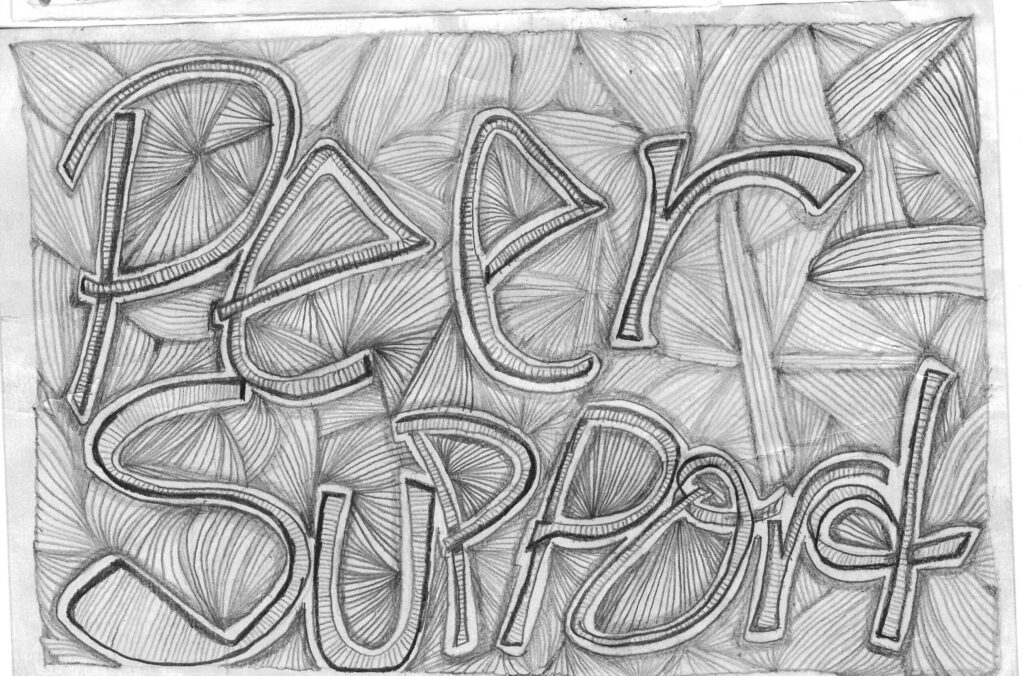
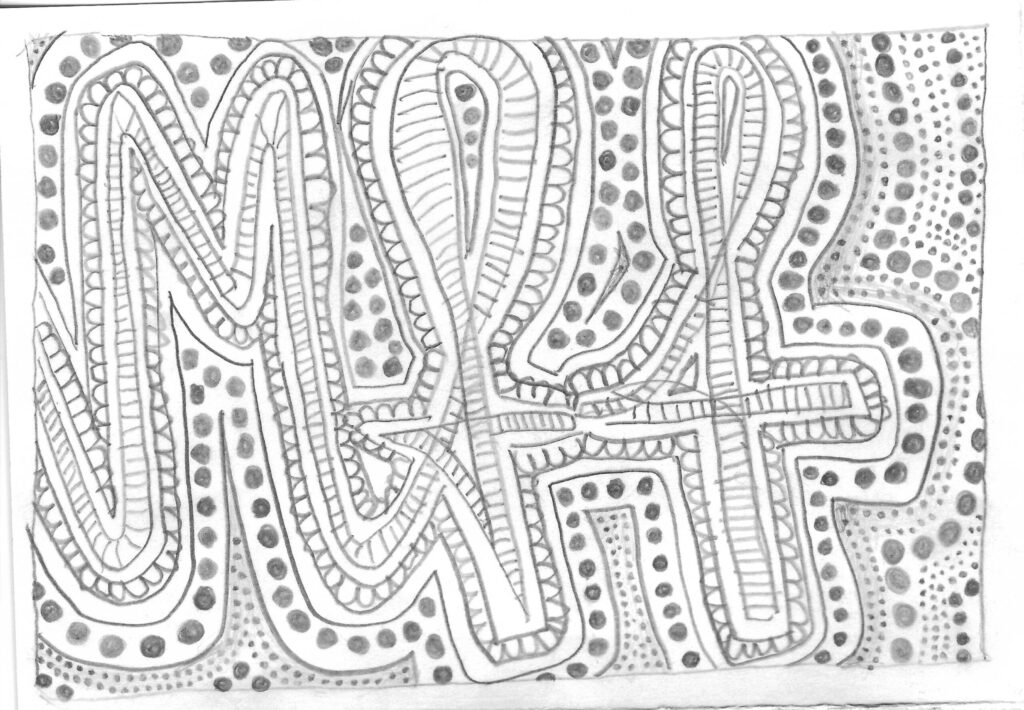
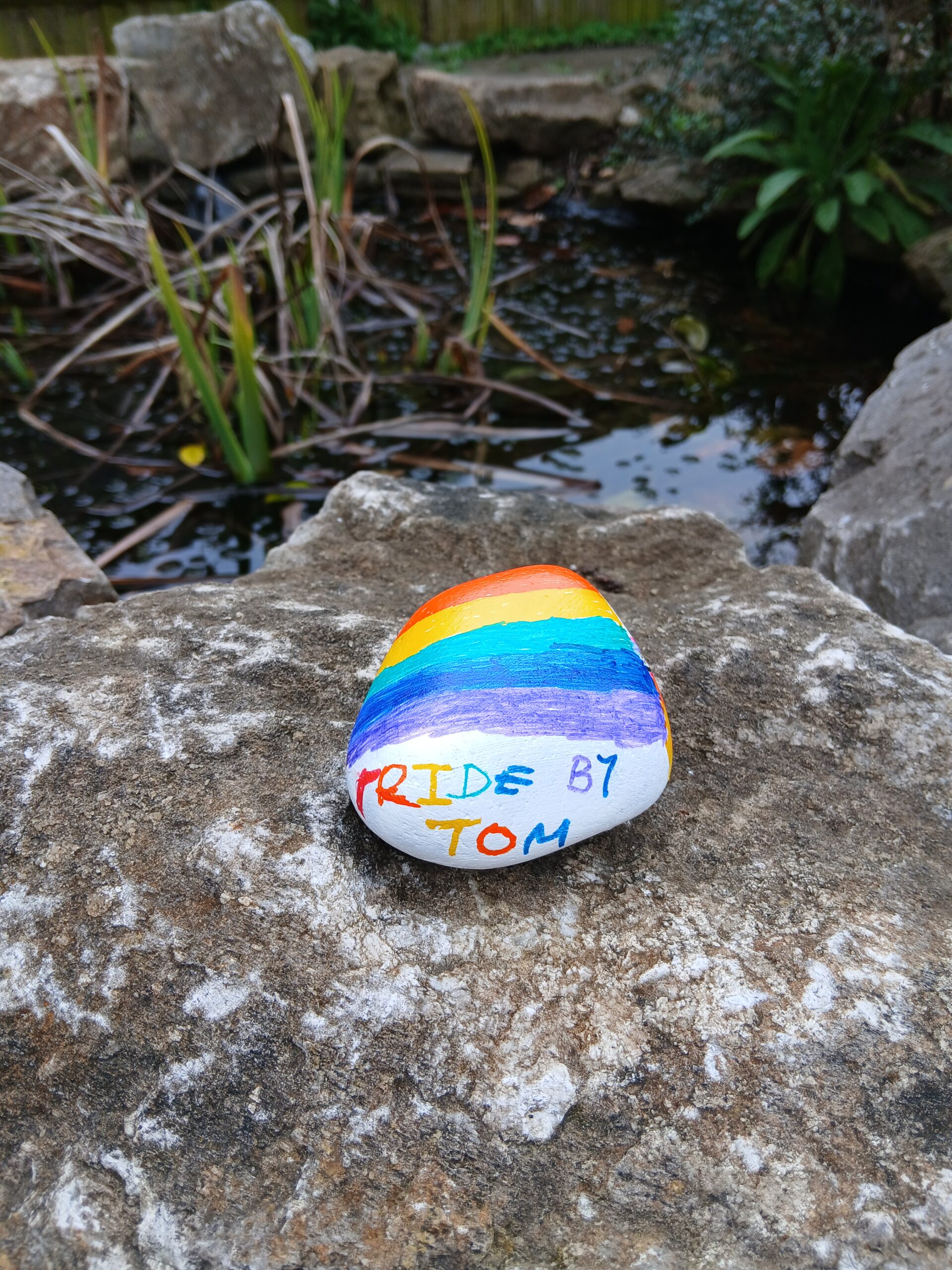
Artwork created by members of our Autism group during a group session also include:
1 – image at the top of the page represents a pencil doodle drawing with the words “Autism Group”
2 – first image below represents a pencil doodle drawing with the words “Peer Support”
3 – second image below represents a pencil doodle drawing with the initials “MFT” for Mary Frances Trust
4 – final image shows a pebble painted by Tom celebrating inclusion that is now proudly decorating the pond at the Brickfield Centre.