
Delia writes:
“For most of my life, I knew something felt ‘different’ inside me, but I didn’t have language for it. I thought everyone lost time the way I did, felt disconnected from their body, or struggled to remember things they were told only hours, minutes or seconds before. I assumed everyone had moments where their reflection looked unfamiliar, or their thoughts sounded like a conversation rather than a single inner voice.
It wasn’t until this past year- after one of the most challenging periods of my life- that I started to understand that these experiences weren’t ‘normal’ or ‘just being overwhelmed’. They are dissociative symptoms.
And suddenly, so many pieces of my story finally made sense.
Reaching Out for Help
Like many people, I reached out for support at a point where I couldn’t keep pretending I was coping. Speaking to a specialist trauma service was the first time I had felt genuinely heard. I didn’t have to minimise what I was experiencing or explain away every symptom. They listened. They validated. They reassured me that what we were describing was real. And importantly, they encouraged me to get specialist support.
The Process of Figuring It Out
This year has been about noticing- gently, slowly, and sometimes painfully- the signs of dissociation in my life.
I learned that dissociation isn’t just zoning out or ‘ feeling a bit off.’ It can mean:
I didn’t know any of this was dissociation. I didn’t know that these experiences could be connected to trauma. I didn’t know that there was a name for what was happening in my mind. What I did know was that I felt scared, confused, and very alone. I don’t have all the answers yet- the process is still ongoing- but I have a better understanding of myself and that has given me hope.
The Reality Behind the Labels
I’m not formally diagnosed yet, and for a long time I felt like I wasn’t ‘allowed’ to talk about my dissociative experiences or use specific terminology, because I felt like a fraud. But as one of the Lived Experience Facilitators at the SUN Group [run by Mary Frances Trust and Surrey and Borders Partnership NHS Foundation Trust (SABP)] told me: “Your symptoms are real. They are your real lived experience, even without a formal diagnosis”. This year has taught me that what matters most is getting the right help, not fitting neatly into anyone else’s boxes. Whether my final diagnosis ends up being Dissociative Identity Disorder (DID), Other Specified Dissociative Disorder (OSDD) or Depersonalization / derealisation disorder (DPDR), what matters is that I finally get the correct specialist care, support and compassion.
The Human Side of Dissociation
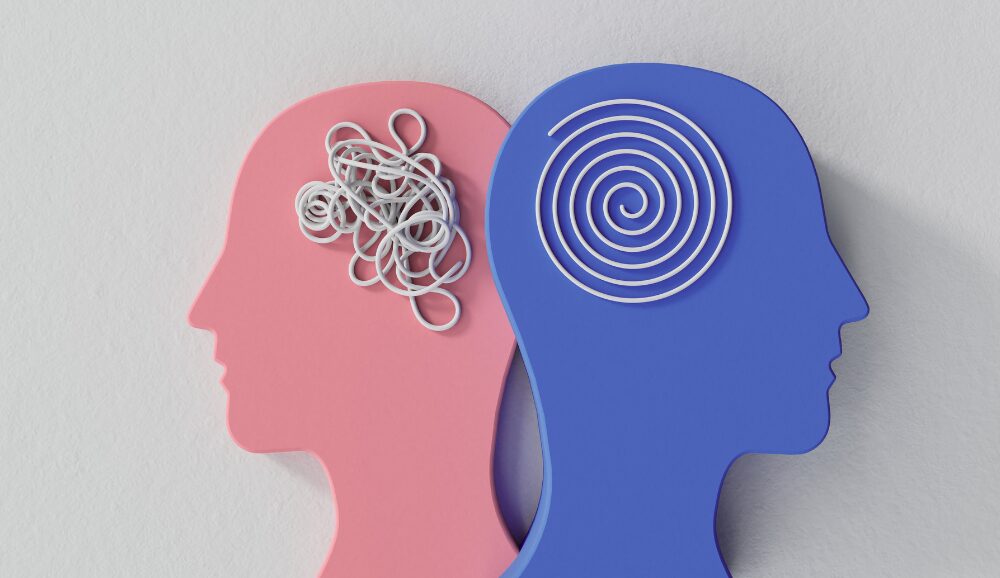
Dissociation is often invisible from the outside. People can’t see memory gaps, internal confusion, or the exhaustion of trying to function when your mind feels fragmented. They see someone who looks calm. Someone who seems capable. Someone who ‘should be fine.’ Living with dissociation means learning to explain an experience that often feels impossible to put into words. It means noticing small changes – in preferences, behaviours, emotions, mannerisms, speech, this list goes on. It means trusting yourselves even when our memory feels unreliable. And it means allowing ourselves grace while we learn more about what our mind has been doing to protect us.
Why Lived Experience Matters
I am a regular member of SUN and the support of the facilitators has changed my life. Because they listened. Because they believed me. Because they hold space for what I haven’t yet figured out or can’t yet name. If sharing my story helps even one person feel less alone or encourages someone to reach out for support earlier than I did, then it’s worth every word. No one should have to navigate dissociation – or any mental health challenge – without compassion, understanding and proper guidance.
Where We are Now
I’m still at the beginning of my journey. I’m still learning. I’m still noticing. I’m still finding language for experiences I spent years ignoring. But I’m no longer doing it alone”.
“I am a regular member of SUN and the support of the facilitators has changed my life. Because they listened. Because they believed me. Because they hold space for what I haven’t yet figured out or can’t yet name.”
What is Dissociation?
Dissociation is one way the mind copes with too much stress, such as during a traumatic event. If you dissociate, you may feel detached from your body or feel as though the world around you is unreal. Examples of this are when you become so absorbed in a book or film that you lose awareness of your surroundings. Or when you drive a familiar route and arrive at your destination without any memory of how you got there. Experiences of dissociation can last for a short time (hours or days) or for much longer (weeks or months). Dissociation may be something that you experience for a short time while something traumatic is happening. But you also may have learned to dissociate as a way of coping with stressful experiences. This may be something that you’ve done since you were young. Visit the Mind website, if you would like to learn more about: